Where TC Plus oil seals are used
TC Plus oil seals are used in many types of rotating equipment, from everyday machinery to heavy industrial applications. They are often found in agricultural vehicles such as tractors and harvesters, where seals are exposed to mud, vibration and constant movement.
In construction equipment, TC Plus oil seals can be used in excavators, wheel loaders and hydraulic motors. These applications often involve heavy loads, dirty environments and long operating hours, making stable sealing performance important.
Industrial drive systems also rely on TC Plus oil seals. Gearboxes, pumps and compressors need reliable shaft sealing, especially when temperatures rise or machines run for long periods. In automotive applications, TC Plus oil seals can be used around crankshafts, differentials, driveshaft assemblies, axle housings and similar components.
Electric motors and generators can benefit from the TC Plus design as well. The seal helps keep moisture and dust out of bearing housings, which contributes to long-term reliability. In marine and energy applications, TC Plus oil seals can be used in turbines, propulsion systems and industrial fans where seals face varying conditions, constant load and exposure to chemicals or humidity.
TC Plus oil seal materials
The material of a TC Plus oil seal determines its chemical resistance, temperature tolerance and service life. Each elastomer has its own properties, making it suitable for specific applications and operating conditions.
NBR is commonly used for standard oil and grease lubrication. It is an economical and versatile material for general industrial applications. FKM, also known as Viton, is often selected for applications with higher temperatures, chemicals or fuels. HNBR offers improved wear resistance and mechanical strength, while ACM performs well in hot oils. EPDM is used for hot water and steam applications, and CR is selected for weather, ozone and flame resistance.
Selecting the right material helps prevent premature wear, hardening or swelling of the sealing lip. The correct choice depends on the medium, temperature, shaft speed, external environment and operating conditions.
Material table
| Material |
Temperature range |
Properties |
| NBR |
-40°C to +100°C |
Good oil and grease resistance, flexible, economical and suitable for general applications. |
| FKM / Viton |
-25°C to +200°C |
Excellent chemical resistance and high temperature stability, suitable for heavy industrial conditions. |
| Silicone / VMQ |
-60°C to +150°C |
Highly flexible at low temperatures, with good resistance to thermal fluctuations. |
| ACM |
-20°C to +150°C |
Resistant to hot oils and ATF, commonly used in automotive applications. |
| HNBR |
-30°C to +150°C |
High wear resistance, strong mechanical properties and improved heat and ozone resistance. |
| CR |
-40°C to +100°C |
Good weather, ozone and flame resistance, with moderate oil resistance. |
| EPDM |
-40°C to +120°C |
Excellent resistance to hot water, steam and brake fluids, but not suitable for mineral oils. |
TC Plus vs TC oil seal
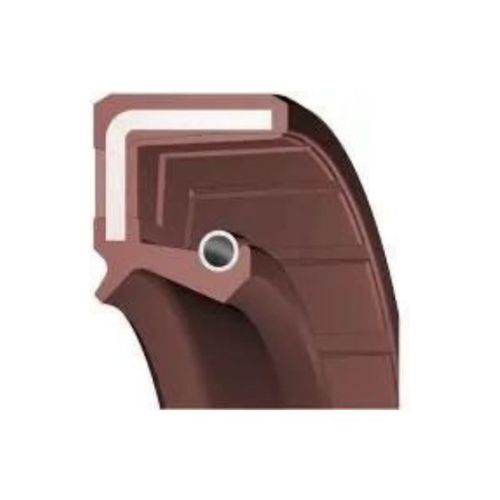
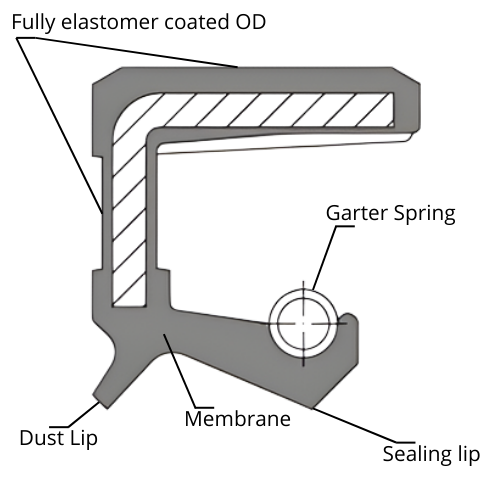
The TC Plus oil seal is an optimized version of the standard TC oil seal. A standard TC oil seal normally uses NBR and a steel garter spring. The TC Plus oil seal is more often used in FKM and can be combined with a stainless-steel garter spring.
Another important difference is the outside construction. The TC Plus rotary shaft seal is completely covered in elastomer, unlike the standard TC oil seal. This gives the TC Plus oil seal improved resistance to heat, chemicals and corrosion.
| Type |
Use this type when... |
| TC oil seal |
You need a standard TC rotary shaft seal for general oil and grease sealing applications. |
| TC Plus oil seal |
You need an optimized TC-style seal with elastomer-coated construction, stainless-steel spring option and improved resistance to heat, chemicals and corrosion. |
TC Plus vs SC Plus oil seal
The SC Plus oil seal has a similar appearance to the TC Plus oil seal, but the sealing function is different. SC Plus has one main sealing lip and no dust lip. It is designed for low- to non-contaminated environments where a secondary dust lip is not required.
The TC Plus oil seal has two sealing lips: the main sealing lip and the dust lip. This makes TC Plus better suited for applications exposed to external contamination, such as dirt, dust, moisture or mud.
| Type |
Use this type when... |
| SC Plus oil seal |
You need a similar rotary shaft seal with one main sealing lip and no dust lip for low- to non-contaminated environments. |
| TC Plus oil seal |
You need two sealing lips and better protection against external contamination. |
How to select the right TC Plus oil seal
When choosing the right TC Plus oil seal, start with the application conditions. Check the medium, such as oil, grease, fuel, steam or chemicals, because the material must be compatible with the substances in the system.
Temperature is another important factor. FKM is often selected for applications with fuel or higher temperatures, while other materials may be more suitable for low-temperature flexibility, hot oils, water, steam or weather exposure.
External influences also affect the choice of seal. Dirt, moisture, mud, dust and UV exposure can all influence the required material and design. In contaminated environments, the TC Plus design with a dust lip offers added protection compared with a seal type without a secondary lip.
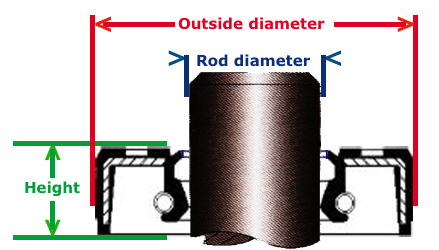
Finally, check the condition of the shaft and housing. Rough surfaces, thermal expansion or incorrect installation can affect sealing performance. The TC Plus oil seal must fit correctly in both diameter and bore depth, and it should be installed in the correct orientation.
Need help choosing a TC Plus oil seal?
If you are not sure which TC Plus oil seal size or material you need, contact Oil-Seal-Stocks for support. Share the shaft diameter, housing bore, seal width, material requirements and application conditions, so the right TC Plus oil seal or alternative can be selected.