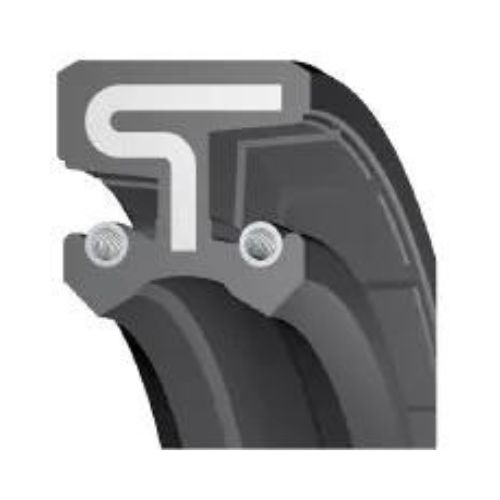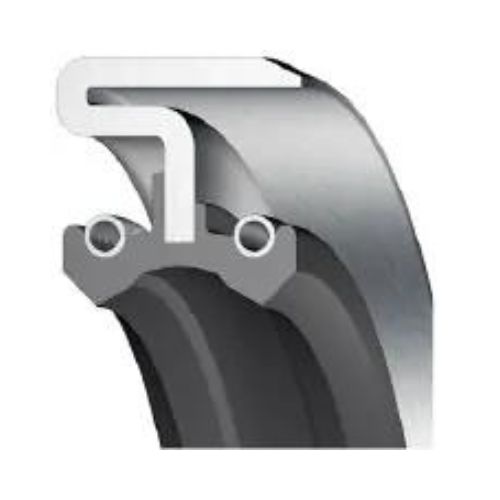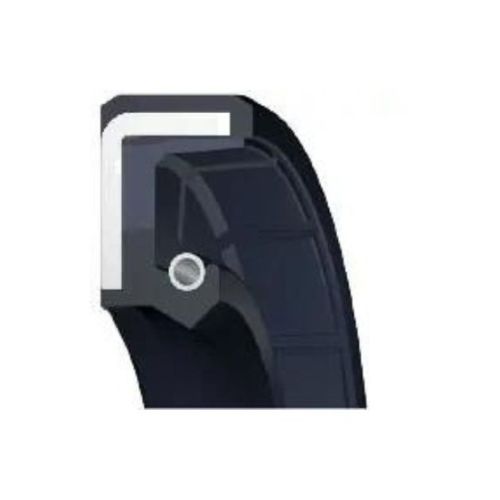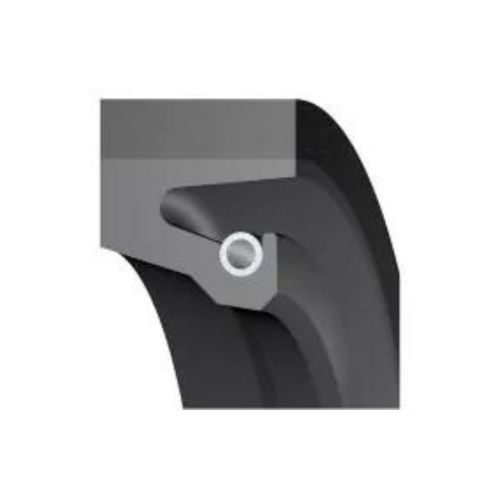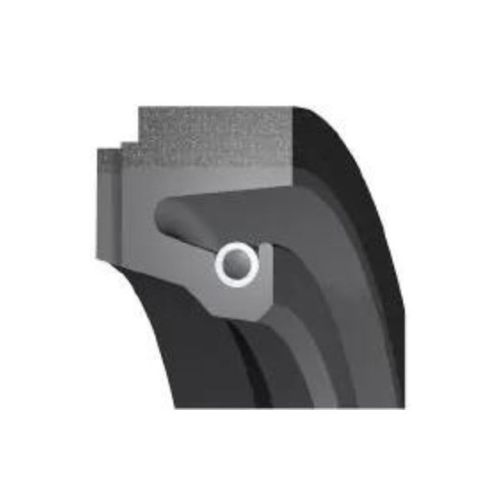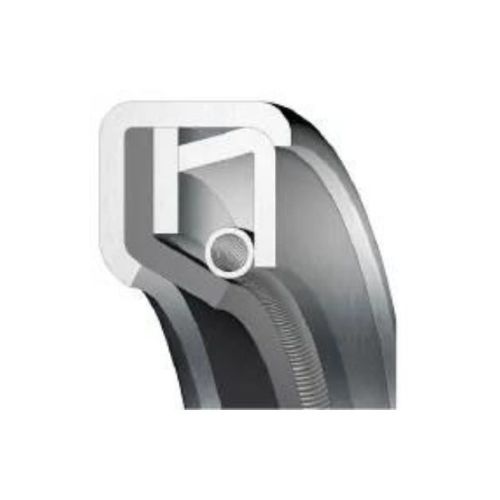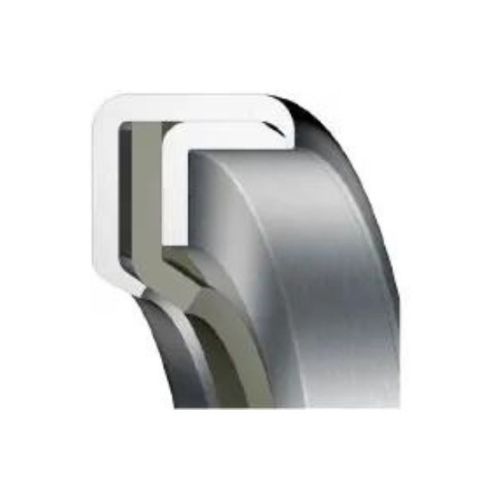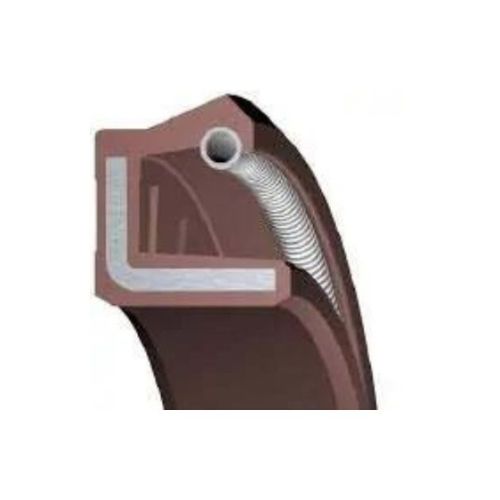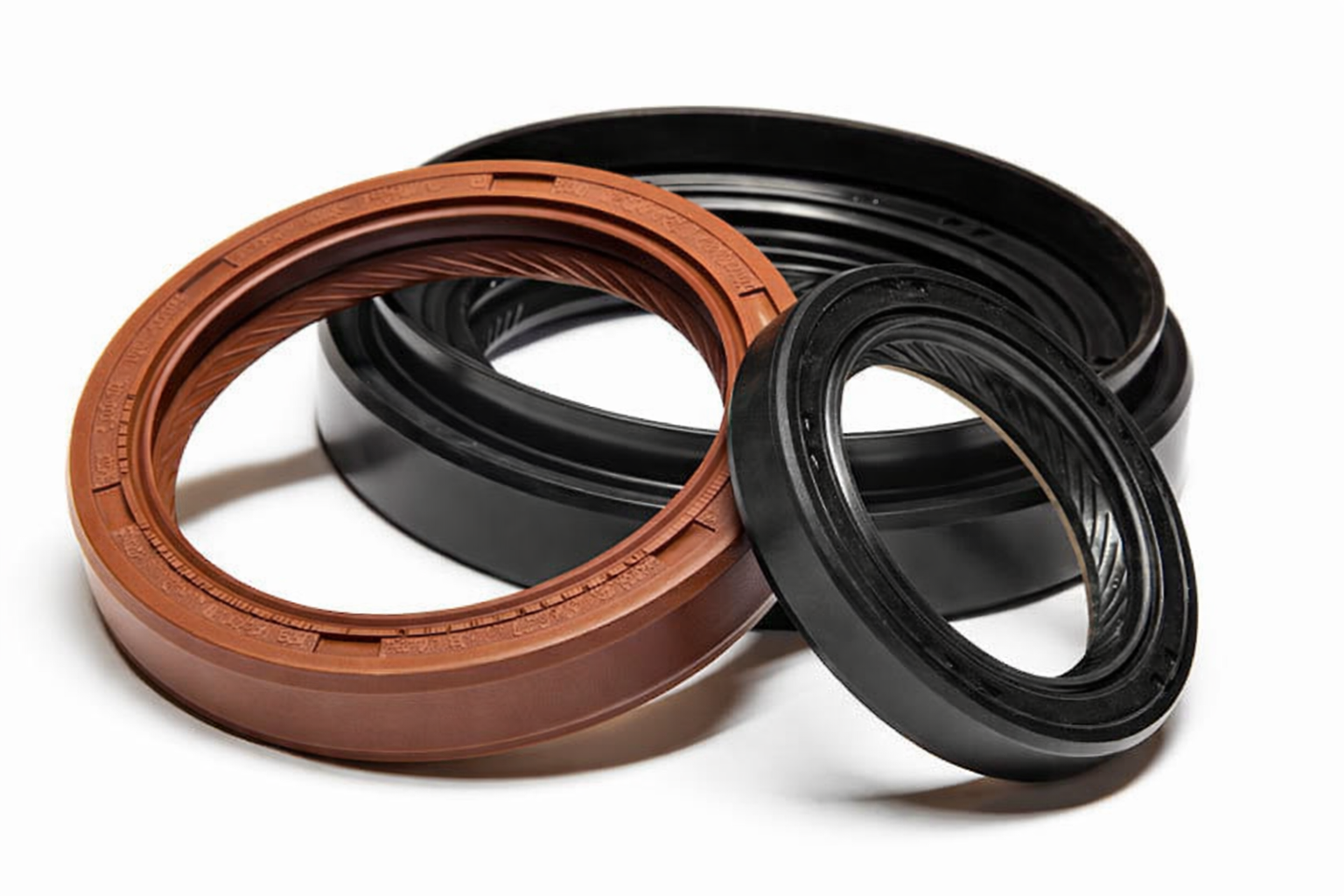

An oil seal is a rotary shaft sealing solution that closes the gap between a rotating shaft and a stationary housing. Its main task is to keep lubricants such as oil or grease inside the system while preventing dirt, dust and moisture from entering.
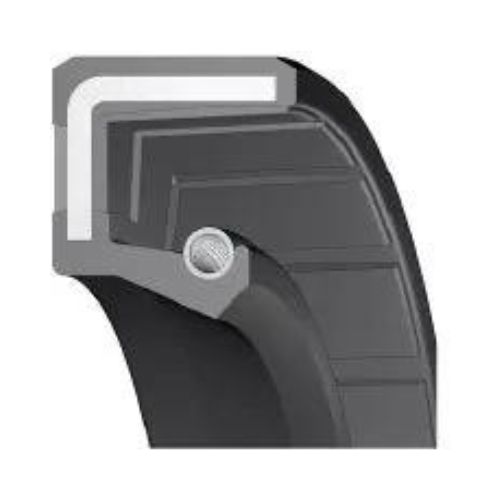
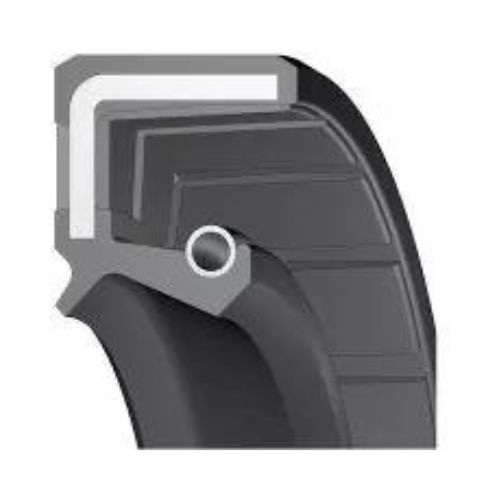
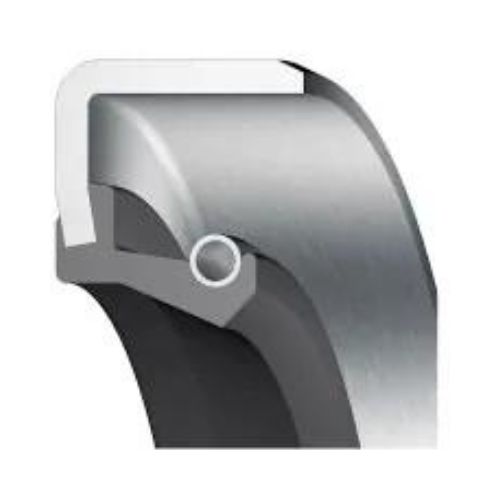
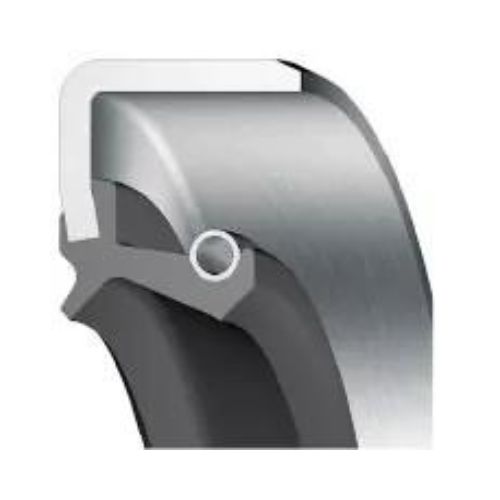
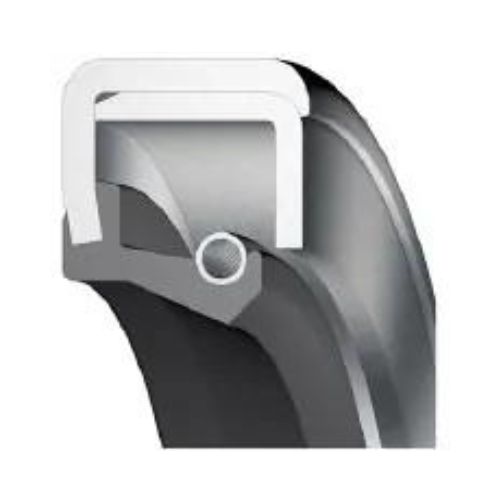
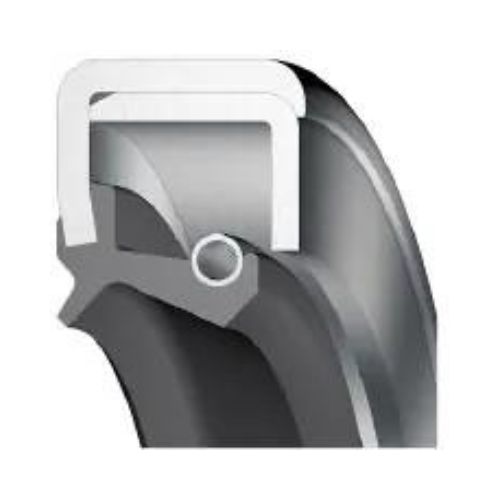
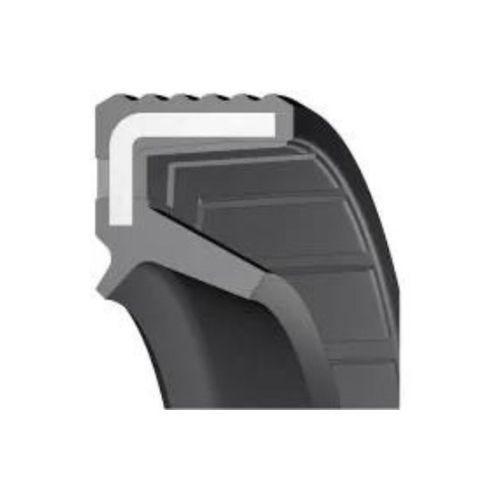
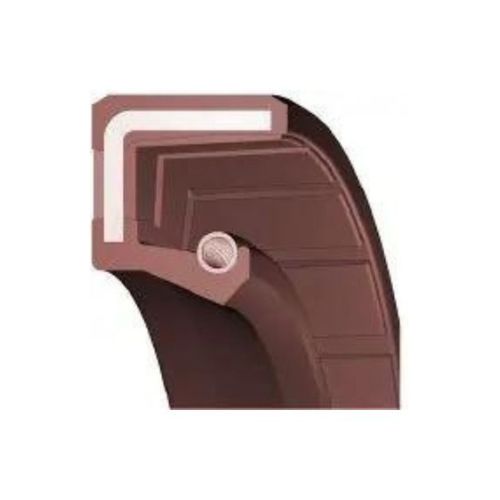
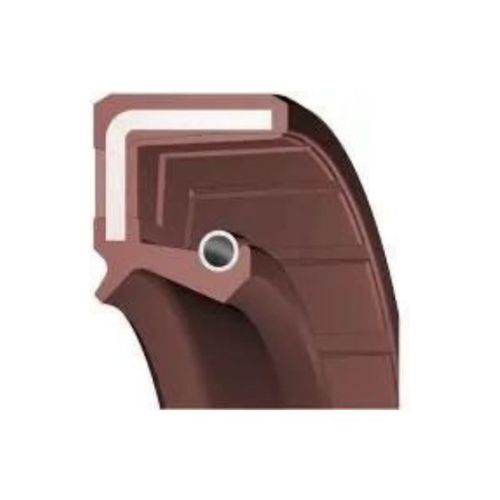
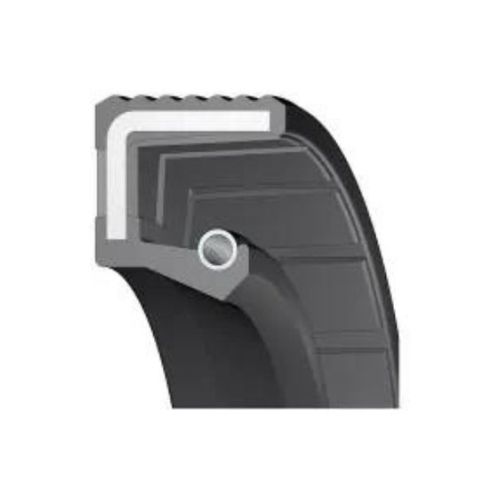
In most cases, an oil seal uses a flexible sealing lip that runs directly on the shaft surface. A small garter spring is often fitted behind the lip to maintain a constant contact pressure over the lifetime of the seal. The outer diameter of the oil seal is pressed into the housing bore to create a static seal and to compensate for minor mounting tolerances.
Although the working principle of an oil seal is relatively simple, the actual performance depends strongly on the operating conditions. Shaft surface finish, lubrication, alignment, runout and circumferential speed all influence how well an oil seal will perform. To match these different conditions, oil seals are available in a wide range of designs and constructions.
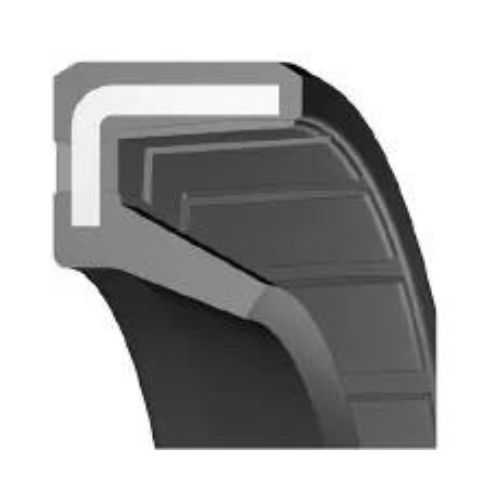
Oil seals are produced in various designs to cover different sealing requirements. The main differences between oil seal types relate to sealing direction, pressure capability, level of contamination protection and installation method.
A common distinction is between single-lip and double-lip oil seals. Other differences include whether the outer diameter is rubber-coated or metal, and whether the oil seal is suitable for applications with internal pressure. Some oil seal types are optimised for compact installation spaces and standard operating conditions, while others are intended for more demanding environments with higher loads or contamination.
On this page, oil seal types are described on a general level. For detailed information about construction, performance limits and application suitability, you can click through to the dedicated pages that focus on specific oil seal types.
Oil seals are manufactured from different materials so they can match the operating conditions of an application. The choice of sealing material has a direct impact on temperature resistance, chemical compatibility, friction and wear behaviour.
Among elastomers, NBR is widely used for standard oil and grease applications. FKM is chosen more often when higher temperatures or more aggressive media are involved. For special requirements, PTFE-based sealing elements are used, particularly in applications with high shaft speeds, limited lubrication or chemically demanding environments.
Besides the lip material, the design of the outer diameter is also important. Oil seals can have a rubber-coated outer diameter to improve tolerance compensation and sealing in less rigid housings, or a metal outer diameter for accurate seating in stiff metallic housings.
| Materiaal | Volledige naam | Temperatuurbereik | Geschikte media | Belangrijkste eigenschappen |
|---|---|---|---|---|
| NBR | Nitrilrubber | ca. -30 °C tot +100 °C | Minerale oliën, standaard vetten, industriële smeermiddelen | Standaard materiaal voor oliekeerringen, goede slijtvastheid, gunstige prijs, breed inzetbaar in machinebouw. |
| FKM | Fluorrubber (bijv. Viton) | ca. -20 °C tot +200 °C | Hete oliën, brandstoffen, synthetische oliën, chemische media | Zeer goede hitte- en chemische bestendigheid, geschikt voor zwaardere industriël toepassingen. |
| HNBR | Gehydrogeneerd nitrilrubber | ca. -30 °C tot +140 °C | Moderne oliën met additieven, synthetische smeermiddelen | Betere verouderings-, hitte- en ozonbestendigheid dan NBR, geschikt voor hogere druk en dynamische belasting. |
| EPDM | Ethyleen-propyleen-dieen-rubber | ca. -40 °C tot +150 °C | Water, warm water, stoom, sommige chemicaliën (geen olie) | Zeer goede bestendigheid tegen water, stoom, weer en ozon, niet geschikt voor minerale oliën en vetten. |
| VMQ | Siliconenrubber | ca. -50 °C tot +180 °C | Lichte oliën, vetten, grote temperatuurschommelingen | Blijft flexibel bij lage temperaturen, goed temperatuurbereik, minder geschikt voor hoge mechanische belasting en hoge toerentallen. |
| PTFE | Polytetrafluorethyleen (Teflon) | ca. -60 °C tot +200 °C (afh.) | Agressieve chemicaliën, hoge snelheden, beperkte smering | Zeer lage wrijving en uitstekende chemische bestendigheid, geschikt voor hoge toerentallen en veeleisende industrie-toepassingen. |
Oil seals are used wherever rotating shafts need to be sealed reliably. Typical examples are industrial gearboxes, pumps, electric motors, compressors and many types of mobile machinery.
The exact application determines which oil seal design is appropriate. Parameters such as rotational speed, internal pressure, lubrication type and environmental exposure all play a role in oil seal selection. In a clean, controlled environment, a standard oil seal design may be sufficient. In harsher conditions, an oil seal with additional sealing lips, dust lips or reinforced construction may be required to achieve reliable performance.
This overview page focuses on the general application areas of oil seals. For more detailed information on oil seals for specific industries, machines or operating conditions, you can refer to the corresponding application pages.
Oil seals are produced worldwide by a large number of manufacturers and brands. In the cross reference table of Oil-Seal-Stocks you will find, among others, Dichtomatik, Anyseals, B+S, Chicago R, Elring, Eriks, FP Paris, FST, Gaco, Goetze, Kaco, Kramp, National, Paulstra, Pioneer, Rolf, Stefa, Taiwan/NOK, Vota, Ebele and Kimman. This overview clearly shows that you are not tied to a single manufacturer. In many cases, for an existing oil seal from, for example, Dichtomatik, Chicago R, National or Kaco, a direct equivalent is available from, among others, Anyseals, Eriks, FP Paris, FST, Stefa, Vota or one of the other mentioned brands. This allows you to easily switch between premium brands and high-quality alternatives while dimensions and function remain the same. The cross reference table serves as the link: you start with the brand you currently have (for example Elring, Gaco, Goetze, Paulstra, Pioneer, Rolf, Ebele, Kimman or Kramp) and translate that to the type that you can quickly obtain from stock via Oil-Seal-Stocks.
Selecting the right oil seal starts with a clear view of the basic operating conditions of your application. Important parameters include the shaft diameter and surface finish, the housing bore, the required sealing direction and the type of lubricant that needs to be retained.
Operating conditions such as rotational speed, internal pressure and temperature range are equally important. The surrounding environment should also be taken into account: for example, whether the oil seal will be exposed to dirt, moisture or chemicals. These factors determine whether a standard oil seal design will work or whether a more specialised construction is needed.
Oil seal sizes and dimensions follow international standards, so you can select oil seals based on shaft and housing measurements. Instead of listing all dimensions here, this overview page focuses on the main selection criteria. Detailed size charts, dimension tables and product-specific information are available on the relevant oil seal category and type pages.
If you would like more information about the oil-seals or you don't know what size or material you should have, please feel free to contact us.
Oil seals are used to retain oil or grease inside a system and to protect rotating shafts against external contamination. Typical applications include gearboxes, pumps, electric motors and automotive drivetrains, where reliable sealing under continuous rotation is required.
An oil seal and a radial shaft seal refer to the same type of sealing solution. “Radial shaft seal” is the technical term, while “oil seal” is commonly used in practice. Both describe a seal designed to prevent lubricant leakage along a rotating shaft.
Yes, oil seals are manufactured according to standard shaft and housing dimensions. Sizes are defined by the shaft diameter, housing bore and seal width, allowing oil seals to be selected based on standard measurements. Detailed size charts are provided on the relevant product and category pages.
The service life of an oil seal depends on operating conditions such as speed, temperature, lubrication and shaft surface quality. When correctly selected and installed, oil seals can provide long-term, reliable sealing performance. Incorrect selection or installation can significantly reduce service life.
Standard oil seals are primarily designed for applications without significant internal pressure. For pressure-loaded conditions, specific oil seal designs are available that are constructed to withstand higher loads. Selecting the right seal depends on the pressure level and overall operating conditions.
Oil seals rely on a thin lubricating film on the shaft surface to function correctly. This lubrication reduces friction, minimises wear and helps maintain consistent sealing performance. Operating an oil seal without sufficient lubrication can lead to increased wear and premature failure.
.jpg "[%categoryTitle%]")